

If you’ve ever struggled with a dull, clunky knife that squishes tomatoes instead of slicing them, you already know the pain of using the wrong tool in the kitchen. I’ve been there—chopping onions with tears streaming down my face, not just from the onion, but from frustration. That’s why I went on a mission to find the best chef’s knife for the money.
“As an Amazon Associate, we may earn commissions from qualifying purchases made through links in this post”
I’ve rounded up my top picks for the home cook, a beginner trying to upgrade from your starter set, or someone who just wants a knife that feels like an extension of your hand, These knives deliver performance without draining your wallet, and after digging through hundreds of reviews (and some serious testing in my own kitchen), I’m sharing the very best options for every type of cook.
A Quick Glance: Best Chef’s Knives for the Money
Below is a quick look at our most recommended chef’s knives:
| Best Overall | WÜSTHOF Classic 8-Inch Chef’s Knife |
| Best for Beginners | Victorinox Swiss Army Fibrox Chef’s Knife |
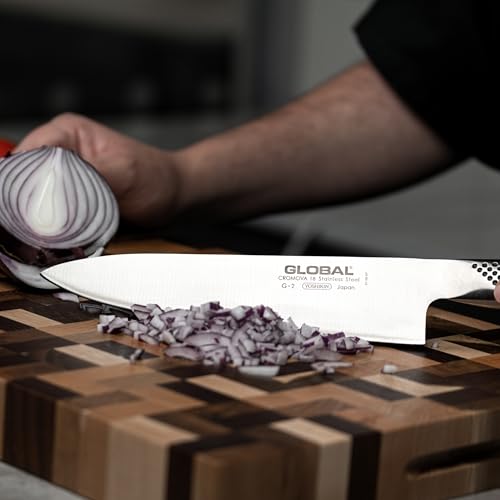
| Best for Small Hands | Global 8-Inch Chef’s Knife, G-2 |
| Great for Vegetables | Dalstrong Chef Knife |
| Perfect for Cutting Meat | Miyabi Mizu SG2 Chef’s Knife |
Be sure to read through the entire article for detailed information on the above recommendations as well as additional information on chef’s knives.
Our Reviews: Best Chef’s Knives for the Money
To ensure that you select the best chef’s knife for your needs, we’ve compiled detailed research of some of the best options.
Best Overall: WÜSTHOF Classic 8-Inch Chef’s Knife

Key Features:
- Blade material: Stainless Steel
- Weight: 8.5 ounces
- Full tang for balance and control
- 8-inch blade, perfect for everyday use
If I could only keep one knife in my kitchen, it would be this one. The WÜSTHOF Classic 8-Inch has the perfect balance of durability, sharpness, and comfort. It’s one of the most durable chef’s knives and feels like it was designed to last a lifetime (and honestly, with proper care, it will).

I tested it on everything from carrots to chicken breast, and it powered through with ease. What I love most is how solid it feels in the hand—no wobbling, no slipping. It’s definitely an investment, but one that pays off every time you prep a meal.
Pros:
- Extremely durable — can last decades with proper care
- Razor-sharp edge straight out of the box
- Comfortable grip, even for long cooking sessions
Cons:
- Pricier than beginner knives
- Heavier than some alternatives
Best Chef’s Knife for Beginners: Victorinox Swiss Army Fibrox Chef’s Knife

Key Features:
- 8-inch stainless steel blade
- Weight: 6.4 ounces
- Ergonomic handle
- Dishwasher safe (though hand washing is better)
This was my very first “real” chef’s knife, and let me tell you—I still keep it in rotation. The Victorinox Fibrox is our most affordable chef knife but surprisingly powerful. It’s lightweight, easy to handle, and makes a great starter knife for anyone building their kitchen arsenal.
I recommend this knife if you’re just learning proper cutting techniques because it’s forgiving and comfortable. You don’t have to worry about babying it, and at this price, it’s a no-brainer.
Pros:
- Affordable without sacrificing quality
- Lightweight and beginner-friendly
- Comfortable, slip-resistant grip
Cons:
- Doesn’t hold an edge as long as higher-end knives
- Not as stylish or premium-looking
Best Chef’s Knife for Small Hands: Global 8-Inch Chef’s Knife, G-2

Key Features:
- Blade length: 8 inches
- Handcrafted in Japan with Cromova 18 stainless steel
- Dimpled ergonomic handle for grip
- Weight: 7.84 ounces
If you have smaller hands, suffer from arthritis or just prefer a lighter knife, the Global G-2 Chef’s Knife is the cutlery for you. The handles are slimmer than bulkier European-style handles, which makes them more comfortable for cooks with small hands. This knife brand was a favorite of Anthony Bourdain’s due to their precision and affordability.
Unlike bulkier knives, this one feels agile—like it moves exactly where you want it to. I especially love it for mincing garlic and herbs because the blade is so precise. Plus, the dimpled steel handle prevents slipping, even when wet.
Pros:
- Precisely balanced and lightweight
- Edge retains sharpness
- Lifetime warranty against defects and breakage
Cons:
- Those with larger hands may find use uncomfortable
- Not great if you prefer heavyweight knives
Great Chef’s Knife for Vegetables: Dalstrong 8″ Chef Knife

Key Features:
- Precision-forged high-carbon steel
- Blade length: 8 inches
- Weight: 6.4 ounces
- Excellent edge retention
When it comes to prepping piles of veggies for stir-fry or salads, the Dalstrong Chef Knife is a great contender for the best chef’s knife for vegetables. It slices through zucchini, carrots, and onions like they’re butter. The blade is razor-sharp and thin enough to make precise cuts without crushing delicate produce.

The design is also striking—this knife feels like it belongs in a professional chef’s toolkit, but it’s priced well for home cooks. In fact, one reviewer loved this knife so much that they plan to round out their knife set with the Dalstrong brand!
Pros:
- Perfect for cutting vegetables cleanly
- Includes custom sheath
- Solid construction
- Lifetime warranty against defects
Cons:
- Not great for smaller hands
- Needs regular honing to stay razor-sharp
Best Chef’s Knife for Cutting Meat: Miyabi Mizu SG2 Chef’s Knife

Key Features:
- 8-inch blade with Damascus steel design
- SG2 micro-carbide powder steel for sharpness
- Cryodur-hardened for durability
- Traditional Japanese craftsmanship
If meat is your main event, the Miyabi Mizu SG2 is the knife you want in your arsenal. This blade is unbelievably sharp, gliding through thick cuts of beef, poultry, or pork with zero resistance.
It’s also gorgeous—the Damascus steel pattern makes it feel like a piece of art. While it’s more of a splurge, serious cooks will appreciate its precision and edge retention.
Pros:
- Exceptional sharpness, perfect for meat
- Stunning Damascus steel finish
- Long-lasting edge retention
- Well-balanced and rust-resistant
Cons:
- Premium price tag
- Need to be careful with use due to razor sharpness
How Do I Choose the Best Chef’s Knife?

Choosing the right chef’s knife can feel overwhelming, but here are four key things to look for:
1. Blade Material
High-carbon stainless steel is the gold standard. It’s sharp, rust-resistant, and holds an edge well.
2. Comfort & Grip
Pick a knife that feels comfortable in your hand. Ergonomic handles make a big difference, especially if you prep often.
3. Weight & Balance
Some cooks prefer a heavy knife for power, while others like a lightweight blade for agility. Many premium cookware stores such as Sur La Table will let you try their knives out in store to test what feels right for you.
4. Versatility
A good chef’s knife should handle meat, veggies, and herbs with ease. Look for an 8-inch blade—it’s the sweet spot for most kitchens. Our top pick, the WÜSTHOF Classic 8 Inch Chef’s Knife, checks all of these boxes.
How to Use a Chef’s Knife Properly
Learning good knife skills takes practice, but a few simple habits make a world of difference in both safety and efficiency.

1. Keep your knife sharp and let it glide.
A sharp blade should slice cleanly through food with minimal effort. If you find yourself forcing the knife, it’s time for sharpening. Forcing an edge through something is usually when accidents happen.
2. Master the pinch grip.
Instead of holding the handle like a hammer, pinch the blade just in front of the handle between your thumb and forefinger, while wrapping the rest of your fingers loosely around the handle. This grip gives you more control and accuracy.
3. Protect your guide hand with the “claw.”
Curl your fingertips inward and rest your knuckles against the side of the blade. This keeps your fingertips safely tucked away while giving the knife a consistent guide.
4. Use the right motion for the job.
- For herbs or onions, use a rocking motion by keeping the tip of the knife in contact with the cutting board and lifting the heel up and down.
- For larger vegetables or proteins, use a long slicing motion, pulling the knife back and forth to take advantage of the full blade length.
5. Focus on form before speed.
Confidence and accuracy matter more than how fast you chop. Speed will naturally improve once your grip and motions feel comfortable.
FAQs About Chef’s Knives
1. How often should I sharpen my chef’s knife?
For home cooks, sharpening every 3–6 months is usually enough, but hone your knife with a steel after every few uses to maintain the edge.
2. Can I put my chef’s knife in the dishwasher?
Technically yes, but I don’t recommend it at all. The heat and detergents can damage the blade and handle. Hand washing is best.
3. What’s the difference between a chef’s knife and a Santoku?
A chef’s knife is more versatile and great for rocking motions, while a Santoku is lighter, shorter, and better for precision slicing and dicing.

Our Final Thoughts
If you want the best chef’s knife for the money, you really can’t go wrong with any of these picks. For most people, the WÜSTHOF Classic 8-Inch is the all-around winner—it’s durable, sharp, and built to last. Beginners will appreciate the affordability and easy handling of the Victorinox Fibrox, while those who are ready to splurge should check out the Miyabi Mizu Chef’s Knife.
The right knife makes cooking easier, safer, and honestly more fun. So if you’re ready to upgrade your kitchen game, pick the one that best fits your cooking style and budget.